
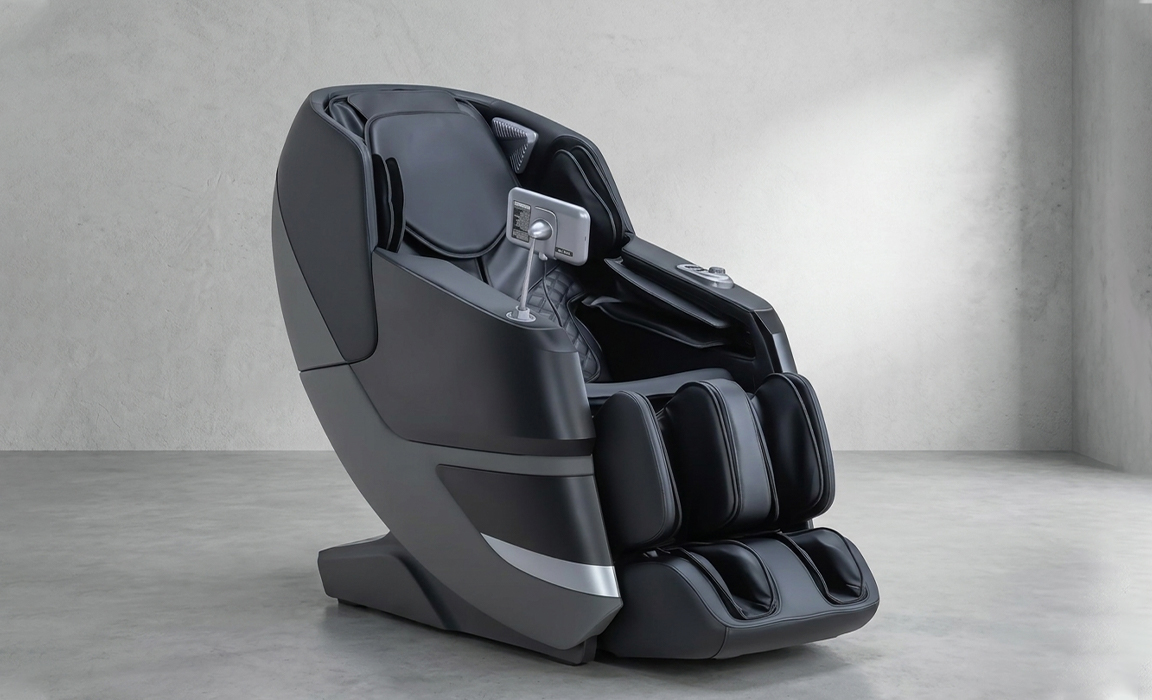
Purchasing a high-end relaxation system should represent a major upgrade to your home life, yet many consumers inadvertently turn this exciting project into an exercise in frustration. Selecting a unit without a clear strategy often results in a mismatched machine that crowds your room, ignores your physical dimensions, and fails to provide the relief you expect. Actually, you deserve an intelligent system that aligns ideally with your lifestyle, reads your body data accurately, and operates smoothly within your smart home ecosystem. Recognizing the typical missteps during the research phase allows you to bypass the buyer’s remorse that leaves many households stuck with an unusable appliance.
Recent Trends in AI Massage Chairs
The marketplace in 2026 offers an overwhelming selection of automated seating options, making it easier than ever to get distracted by flashy features that do not actually contribute to your daily comfort. Artificial intelligence has elevated how modern furniture functions, replacing old-fashioned vibration platforms with highly sophisticated, data-driven robotics. However, a higher price tag or an extensive list of digital options does not automatically mean a machine is right for your home. If you overlook how a chair interacts with your specific physical frame and space constraints, you risk spending in a very large piece of furniture that ultimately goes unused.
Steering clear of common purchasing traps saves your schedule, protects your household layout and ensures long-term satisfaction. A modern smart residence should be able to enhance your lifestyle, not force you to alter your routine to accommodate an impractical device. By identifying these frequent consumer mistakes, you can approach the selection process with confidence and secure a system that delivers quality, customized physical relief every day.
1. Overlooking Space Constraints and Clearance Needs
The absolute frequent mistake buyers tend to make is failing to measure their designated room accurately before delivery. A chair might look compact on a showroom floor or a digital screen, but its physical profile changes dramatically once it moves into a full recline position. Many traditional designs require several feet of open space behind the backrest and in front of the leg rest to operate safely without hitting walls or other furniture.
If you ignore these dimensions, you may end up with a machine that blocks a vital walkway or sits awkwardly in the center of the room. In 2026, advanced systems utilize zero-wall engineering, allowing the entire framework to slide forward on internal tracks as it tilts backward. This allows the unit to function ideally while positioned only two inches from a wall. Prioritizing this specific spatial efficiency ensures your home layout remains balanced and open.
2. Accepting Inaccurate or Rigid Body Mapping
An automated chair is only as good as its ability to locate your muscle groups. A significant error is purchasing a system that utilizes outdated or generic scanning software. Lower-quality units generally rely on pre-programmed tracks that move identically regardless of who sits down. This means the rollers often press directly against your shoulder blades or miss the lumbar curve entirely, causing discomfort instead of relief.
A modern AI unit must execute a precise, individual scan every single time you tend to sit down, measuring your spine, height and shoulder width automatically. This allows the internal mechanics to calibrate their movement to your exact proportions.
If a system lacks the responsiveness to distinguish between a tall user with broad shoulders and a petite user with a narrow frame, it will deliver a generic, unsatisfactory experience. Look for dynamic sensors that adjust pressure in real time based on muscle density.
3. Choosing a Clunky, Isolated Interface
A smart home addition should simplify your daily routine, not introduce unnecessary complexity. Many buyers focus entirely on the physical rollers and ignore how they will actually control the machine. If the user interface involves a confusing, non-intuitive tablet or an app that constantly drops its connection, you will likely avoid using the chair altogether.
By 2026, seamless integration is a baseline requirement for any major household asset. Your seating system should connect effortlessly with your existing home network, allowing you to start a personalized program using basic voice commands or a single touch on a mobile screen.
True intelligence means the system learns your preferences over time and coordinates with other smart devices, such as dimming the overhead lights or activating soft music when a session begins. Avoid units that operate in isolation without modern connectivity.
4. Ignoring Modular Design and Update Capabilities
Technology moves rapidly, and buying a closed system that cannot adapt is a recipe for early obsolescence. A common mistake is selecting a chair with fixed software that cannot receive cloud updates. As engineers and physical specialists develop new movement sequences and relaxation techniques, your machine should download them automatically to keep your experience current.
Furthermore, consider the physical construction of the unit as well. Older designs feature integrated, single-piece internal systems that require complete replacement if a minor sensor or motor malfunctions.
Modern, responsible manufacturing uses a modular approach. This means individual components can be swapped or updated easily by a technician right into your home. The design philosophy extends the life of your household asset, supports sustainability goals, and also protects your setup over the long-term.
5. Focusing on Novelty Features Over Mechanical Quality
It is easy to get swayed by aggressive marketing that highlights non-essential extras like built-in aromatherapy pods, ambient LED strip lighting, or synchronized video screens. While these features sound entertaining, they often serve to distract buyers from subpar mechanical components. The core value of your chair rests entirely on the quality of its rollers, air compression tracks, and heating elements.
If the underlying robotics feel stiff, jerky, or loud, no amount of ambient lighting will make the session comfortable. Prioritize multi-axis rollers that mimic the fluid, continuous motion of human touch and adjust their speed automatically based on muscle resistance.
Ensure the unit features quiet, high-efficiency motors that provide steady deep tissue pressure without filling your room with mechanical noise. Focusing on build quality and robotic precision ensures the machine remains a functional part of your routine for years.
6. Establishing Boundaries Between Career and Rest
As remote employment continues to be a standard way of life, creating clear boundaries within the home is vital for mental and physical well-being. A responsive chair acts as an excellent physical anchor to mark the end of your obligations. Sitting down for a brief fifteen-minute session signals to your mind that the workday is officially over, allowing you to transition smoothly into your personal time.
The heat therapy and rhythmic compression work together to soften the shoulder tension caused by hours at a desk, helping you return to your evening with renewed energy. Because an intelligent system accommodates multiple body types with ease, it becomes a shared household utility that supports everyone in the residence.
This regular physical maintenance prevents the accumulation of daily stiffness, ensuring you stay productive and focused without sacrificing your comfort.
Quick Checklist for a Successful Purchase
To keep your search focused and efficient, make sure your chosen system checks all of these essential boxes:
- Zero-Wall Engineering: Maximizes floor space by requiring minimal clearance from the wall during recline.
- Biometric Synchronization: Connects with wearable devices to automatically suggest routines based on daily activity.
- Active Body Scanning: Calibrates roller paths to your specific spinal curve before every session.
- Modular Infrastructure: Ensures easy component repairs and updates without requiring total replacement.
- Cloud-Enabled Software: Receives automated updates to keep mechanical programs fresh and modern.
Conclusion
Navigating the process of buying an AI massage chair requires a clear focus on functionality, spatial efficiency, and also long-term utility. By avoiding the common mistakes of ignoring room measurements, settling for rigid programming, or getting distracted by unnecessary gimmicks, you pave the way for an excellent addition to your living space.
As you evaluate the options available in 2026, remember that a truly smart device should adapt to your life, not create extra work. Demand precision body mapping, seamless smart home connectivity, and a sleek design that respects your interior decor. Making an informed choice based on these principles ensures your home transforms into an intelligent sanctuary, keeping you physically ready and completely relaxed for whatever challenges come next.
